From D&D 5e to DCC
Jul 06, 2025
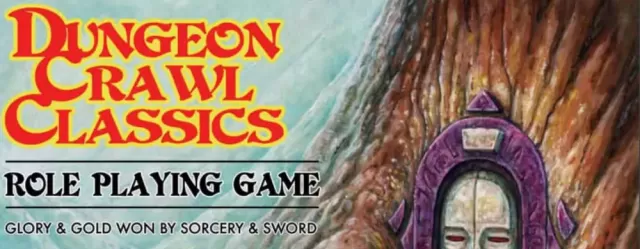
For years, my table was a dedicated Dungeons & Dragons 5e stronghold. The streamlined rules and narrative focus provided countless nights of collaborative storytelling. Yet, a persistent curiosity about the roots of the hobby—the so-called Old School Renaissance (OSR)—lingered. Recently, a twist of fate and a discounted rulebook bundle led me to finally explore the brutal, table-filled world of Dungeon Crawl Classics (DCC). The experience was not just a thrilling detour; it fundamentally reshaped my perspective on what a tabletop role-playing game can deliver.
Understanding the Old School Appeal
The OSR movement, gaining momentum in the mid-2000s, is a collective return to the aesthetics and philosophies of early role-playing. It champions player ingenuity over character sheet abilities, lethal challenges, and a sense of wonder drawn from classic pulp fantasy. Dungeon Crawl Classics, first published in 2012, is a standout title in this space. It masterfully wraps a 1970s aesthetic—inspired by the foundational Appendix N reading list—around a surprisingly streamlined set of rules derived from D&D's 3rd edition. It's a fascinating bridge between modern design and old-school sensibility.
A Radical Premise: You Are No Hero
The tone is set immediately. DCC does not begin with heroic archetypes. Instead, each player generates a handful of completely randomized, fragile level-0 commoners—blacksmiths, farmers, and scribes. You then funnel this ragtag mob through a deadly "character creation gauntlet" in the form of a starter adventure. Survival is the first achievement. Whoever makes it out alive earns the right to become a level-1 adventurer. This process brilliantly establishes the game's core tenet: balance is not a priority. The world is dangerous, and survival itself is a victory.
The Lesson of Scarce Advancement
This philosophy extends to the entire progression system. In DCC, level 10 is the absolute pinnacle, described as a demigod-like status. A level-5 character is considered "once in a generation." This starkly contrasts with D&D 5e's assumed progression to level 20. Many D&D Dungeon Masters, myself included, have struggled with encounter balance and maintaining tension past the mid-levels. DCC offers a potent alternative mindset: the reward is not always a level-up.
- Survival as Reward: Simply emerging from a harrowing dungeon can be a profound moment of player satisfaction.
- Tangible World Impact: Rewards can be narrative and material—a stronghold, a noble title, a network of allies, or legendary treasure.
- Preserving Challenge: By decoupling story progression from constant power escalation, the world remains threatening and engaging.
Injecting Old-School Tension into Modern Games
My single DCC session was an eye-opener. The exploration felt urgent, the combat was swift and deadly, and the players were electrified by the high stakes. It demonstrated that constant, incremental character power growth isn't the only engine for fun. For my ongoing D&D campaigns, this has inspired concrete changes:
- Embracing greater lethality in appropriate settings (like the grim Underdark of Out of the Abyss).
- Designing challenges where player cleverness and resource management are as important as attack rolls.
- Valuing in-world rewards and status that change a character's story, not just their statistics.
Is Dungeon Crawl Classics for You?
It's important to note that DCC is an unapologetically retro product. Its presentation and some terminology may feel dated to a modern audience. However, its core ideas are incredibly transportable. Whether you dive into its weird, deadly adventures featuring laser harpies and cosmic horrors, or simply borrow its philosophy of scarce advancement and high stakes, DCC has valuable lessons to teach. It reminds us that in a dangerous, magical world, the greatest treasure is often just living to tell the tale.